
Audi & VW 2.0T Engine Oil Consumption in Seattle
Driving an Audi or Volkswagen equipped with the 2.0-liter turbocharged engine offers an ideal blend of performance, efficiency, and everyday practicality—perfect for navigating Seattle’s hills and highways. At Precision Motorworks, we work with these vehicles every day and understand both their strengths and their common concerns. One issue many owners encounter is engine oil consumption. While some oil use is normal in modern engines, excessive consumption can lead to serious problems if left unaddressed.
What Is Oil Consumption?
Oil consumption refers to the amount of engine oil used between scheduled oil changes. All engines burn a small amount of oil as part of normal operation, but when oil levels drop quickly and require frequent top-offs, it becomes a concern. Oil is essential for lubricating internal components, reducing friction, and carrying heat away from critical parts like pistons, bearings, and the turbocharger. When oil runs low, these components can suffer accelerated wear or even catastrophic failure. Being aware of your vehicle’s oil usage is one of the most important responsibilities of Audi and VW ownership.
Why the Audi & VW 2.0T Engine Prone to Oil Consumption
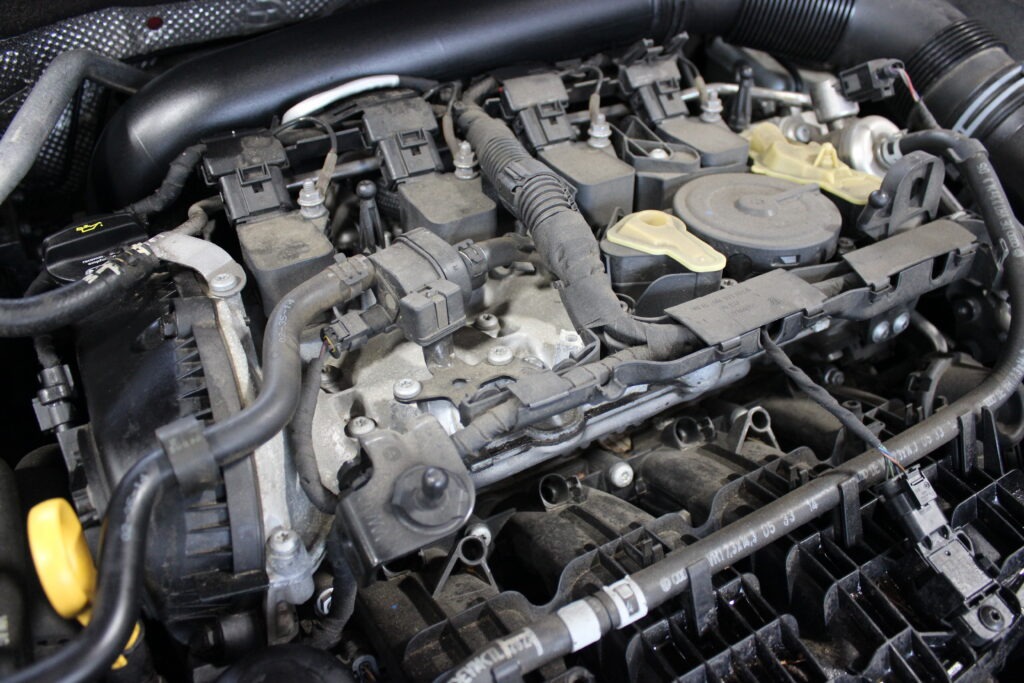
The Audi/VW 2.0T engine is a sophisticated, high-output design that relies on forced induction and tight build tolerances. Over time, several factors can contribute to higher-than-normal oil consumption. Piston rings may lose their ability to seal perfectly, allowing small amounts of oil to enter the combustion chamber and burn. The Positive Crankcase Ventilation (PCV) system—designed to regulate internal engine pressure—can also fail. When the PCV valve diaphragm tears or becomes restricted, excess pressure can push oil into the intake system where it is consumed during combustion.
Turbochargers themselves operate at extremely high speeds and temperatures. Worn turbo seals may allow oil to leak into the exhaust or intake system. These issues often appear as vehicles reach higher mileage, but driving habits, extended oil change intervals, and low-quality lubricants can exacerbate the problem.
©2026 Precision Motorworks
Audi & VW Engine Oil Consumption Symptoms
Recognizing the signs of excessive oil consumption early can save thousands in repairs. Common indicators include the oil level dropping rapidly between services, dashboard low-oil warnings, or visible blue smoke from the exhaust—especially on cold starts or hard acceleration. You may also notice oil residue inside intake hoses or a strong burning-oil smell after driving. If any of these symptoms appear, it’s important to have the vehicle inspected before damage occurs to the turbocharger, catalytic converter, or internal engine components.
Audi & VW Oil Consumption Repair Solutions in Seattle
At Precision Motorworks, we take a methodical approach to diagnosing oil consumption on Audi and VW vehicles. The first step is verifying how much oil is being used and identifying where it is going. Many cases can be resolved with targeted repairs such as replacing a failed PCV valve and related hoses, cleaning carbon buildup, or servicing turbocharger seals. In more advanced situations, worn piston rings may require chemical reconditioning to restore proper sealing.
Every vehicle is different, and our technicians will recommend the most cost-effective solution based on your car’s mileage, condition, and driving needs.
Preventative Maintenance in Seattle for Audis and VWs – Precision Motorworks
Good maintenance habits dramatically reduce the likelihood of oil-consumption problems. Using high-quality full synthetic oil, keeping oil change intervals around 5,000 miles, and checking the oil level regularly are simple but powerful steps. Addressing small issues like a failing PCV valve early can prevent them from turning into major engine repairs later. Think of it as protecting the heart of your Audi or Volkswagen.
Schedule Your Next Audi/VW Visit with Precision Motorworks
If you drive an Audi or VW 2.0T and have noticed your oil level dropping faster than expected, don’t ignore it. The European specialists at Precision Motorworks have been diagnosing and repairing these engines in Seattle for decades. We combine factory-level expertise with honest guidance to keep your vehicle reliable and enjoyable for years to come. Call us at 206-282-1000 to schedule an appointment today—let us help keep your Audi or Volkswagen performing the way it was engineered to.